Identity Theft Online: How To Protect Yourself in 2026


Ever received a bill, collection notice, or email about an order you never placed? You might be a victim of online identity theft. Criminals use stolen personal details—your name, address, social security number, or login credentials—to make purchases, open accounts, or sign contracts in your name.
The fallout can range from fake social media profiles to financial losses and lengthy battles with banks, retailers, or government agencies. Here’s how to protect yourself from identity theft, spot the warning signs early, and take the right steps if it happens to you.


What Is Identity Theft?
Identity theft is a form of fraud in which criminals obtain your personal information and use it for financial gain or other criminal activities. With your name, address, or login details, they make purchases, open accounts, or create fake profiles online. Many people don’t realize they've been victimized until they receive a collection notice or see unauthorized charges.
Identity theft can be anything from a nuisance to a financial nightmare. The worst damage happens when someone opens bank accounts or credit cards in your name. The resulting credit report entries can negatively impact you for years, making it harder to rent an apartment, get a loan, or even qualify for a cell phone plan.
Criminals can also file tax returns or apply for loans in your name, leading to lengthy disputes with government agencies and creditors.
How Do Criminals Get My Information?
Criminals use a range of tactics, including AI, to steal your personal information and assume your identity.
Here are the most common scams to watch out for:
Phishing
You’ve probably seen a phishing email in your spam folder. Criminals send fake emails that look like they’re from your bank, a shipping company, or a government agency. They trick you into clicking a link to a fake website, where they steal anything you type in.Vishing (Voice Phishing)
Vishing occurs over the phone. Scammers call you and pretend to be bank employees, Microsoft support, or government officials. They pressure you into giving up passwords, security codes, or personal information, frequently by creating a false sense of urgency, such as claiming there’s a problem with your account.Skimming
Hidden devices on ATMs or card readers copy your card details when you pay. A tiny camera or keypad overlay records your PIN at the same time.Dumpster Diving
Tossing out bank statements, bills, or contracts without shredding them leaves your personal information there for anyone to find. Criminals sift through trash and recycling bins to collect these documents.Data Breaches and Hacking
When hackers break into poorly secured systems and databases at companies, online stores, or government agencies, they can steal millions of customer records at once, including names, addresses, birth dates, and bank details.Malware and Keyloggers
Malicious software gets onto your device through infected email attachments, shady downloads, or USB drives. Keyloggers record every keystroke you make, sending your passwords and other sensitive information straight to the attackers.Fake Documents
AI can generate highly convincing fake IDs, pay stubs, and other documents. Criminals make purchases, open accounts, take out loans, or enter into contracts in your name.Deepfakes
AI-generated images, videos, or audio clips can make it look like someone is saying or doing things they never did. Scammers use this to impersonate family members, coworkers, or public figures and trick people into handing over money or information.
How Common Is Identity Theft in the U.S.?
According to the FBI's 2024 Internet Crime Report, Americans filed 859,532 cybercrime complaints that year, with total reported losses exceeding $16.6 billion, a 33% increase from 2023. The most commonly reported crimes were phishing and spoofing, extortion, and personal data breaches.
Identity theft accounted for over 21,000 complaints, with losses totaling more than $174 million. Adults over 60 were hit hardest, suffering nearly $4.9 billion in losses.
AI-powered scams are an increasingly serious threat. The FBI has warned of criminals using voice cloning, deepfakes, and generative AI to impersonate family members, government officials, and financial institutions—making it harder than ever to tell real communications from fake ones.
How Can I Protect Myself From Identity Theft?
Effective identity theft protection starts with a few basic cybersecurity habits. Here are some key steps to lower your risk:
Use a password manager
Create a unique, strong password for every online account. A password manager generates secure passwords automatically, stores them encrypted, and fills them in when needed. You only have to remember one master password. It also keeps a breach on one site from putting your other accounts at risk.Use passkeys and two-factor authentication
Even strong passwords can leak in a data breach or phishing attack. Add another layer of security with passkeys and two-factor authentication (2FA). Passkeys typically use biometric authentication, such as fingerprint or facial recognition.
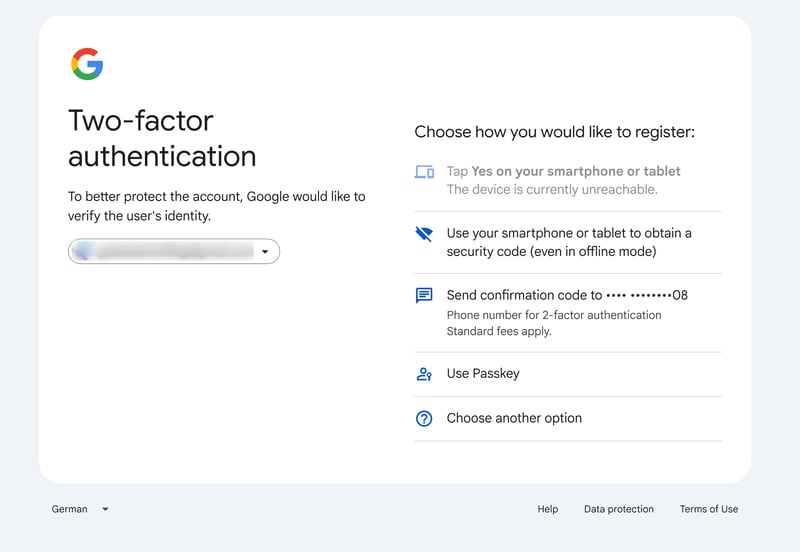
Services like Gmail use two-factor authentication for secure logins.
Use a firewall and antivirus software
A firewall monitors the data flowing between your device and the internet, blocking suspicious connections. Both Windows and macOS include built-in firewalls that provide strong protection for most home users.You should also run antivirus software. For many users, the built-in security features in Windows and macOS provide a solid baseline level of protection.
Encrypt data on public Wi-Fi
When using public Wi-Fi networks, connect through a VPN if you can, especially for sensitive sites like online banking or email. A VPN encrypts your data so no one else on the network can read it.Keep systems up to date
Always keep your operating system, browser, firewall, and antivirus software updated. Only download programs from official sources and apps from legitimate app stores.Use multiple email addresses
Use separate email addresses for online shopping, social media, and other less critical services. These platforms are frequent targets for data breaches and hacking attempts.If one of these accounts is compromised, your important accounts, like online banking or your primary email, stay safer. It also makes it harder for criminals to link your different online accounts.
How Can I Tell If My Identity Has Been Stolen?
Knowing the most common identity theft warning signs can help you detect fraud before it causes serious damage. Watch for these red flags. They could mean someone has stolen your identity:
Bills and collection notices you don’t recognize
If you get invoices or collection letters for orders you never placed, it could be spam or someone using your name to make purchases.Locked accounts or failed logins
If you suddenly can’t log in to one of your accounts, someone may have changed your password. It could be a simple mistake, or someone else may have gained access to your account.Emails from services you never signed up for
If you get emails from services you don’t recognize, check when and how someone signed up with your information.Unauthorized bank transactions
If your bank flags transactions you didn’t authorize, contact them right away and freeze your account and cards. You can dispute unauthorized charges and request chargebacks for credit card payments.
Identity theft doesn’t always leave obvious traces. If you suspect your data has been compromised or just want to be safe, these steps can help you uncover potential fraud:
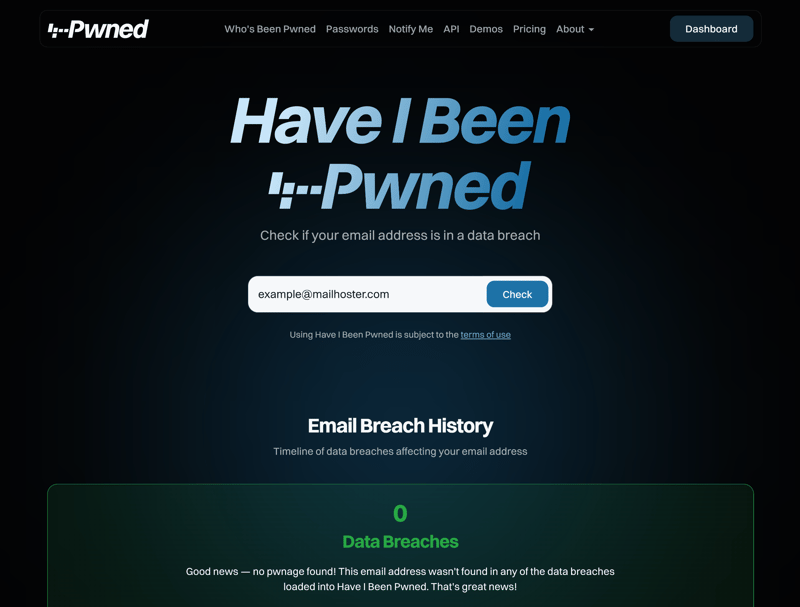
You can detect a data breach directly on haveibeenpwned.com.
What to Do If Your Identity Has Been Stolen
Most people don’t realize they’re victims of identity theft until the damage is done. Stay calm and take these steps right away:
- 1.
File a police report
Report the crime to the police right away. Dispute any collection notices or unauthorized charges in writing to prevent negative entries on your credit report. - 2.
Tell your friends, family, and colleagues
Notify your friends, family, coworkers, and business contacts that your identity has been stolen. This helps prevent criminals from using your name to scam people who know you. - 3.
Report fake profiles
Report fake profiles (for example, on social media) to the platform right away. Ask that all your data and content be deleted. - 4.
Review your bank statements
If you haven’t already, check your bank and credit card statements. Dispute any unauthorized charges. If you can, contact the recipient of the payment directly. - 5.
Request a credit report
Reviewing your credit reports is one of the most important steps in identity theft recovery. You can also place a fraud alert or credit freeze with each bureau (Equifax, Experian, and TransUnion) to prevent new accounts from being opened in your name. - 6.
Change all passwords and enable two-factor authentication
Change the passwords for all affected accounts right away. Wherever possible, enable two-factor authentication or switch to passkeys.
If the situation escalates or if you’re unsure about your legal options, consult an attorney who specializes in identity theft or report the incident through the FTC’s IdentityTheft.gov service.
Final Verdict: One Step Ahead of Identity Theft
Taking proactive steps to protect your personal data and online accounts is one of the best ways to reduce your risk of identity theft. The same basic rules that keep you safe online also help identity theft prevention: use strong, unique passwords (or modern alternatives like passkeys), turn on two-factor authentication wherever possible, and keep your operating system and apps up to date.
And watch for unusual activity in your bank and online accounts so you can act fast if something seems off.